
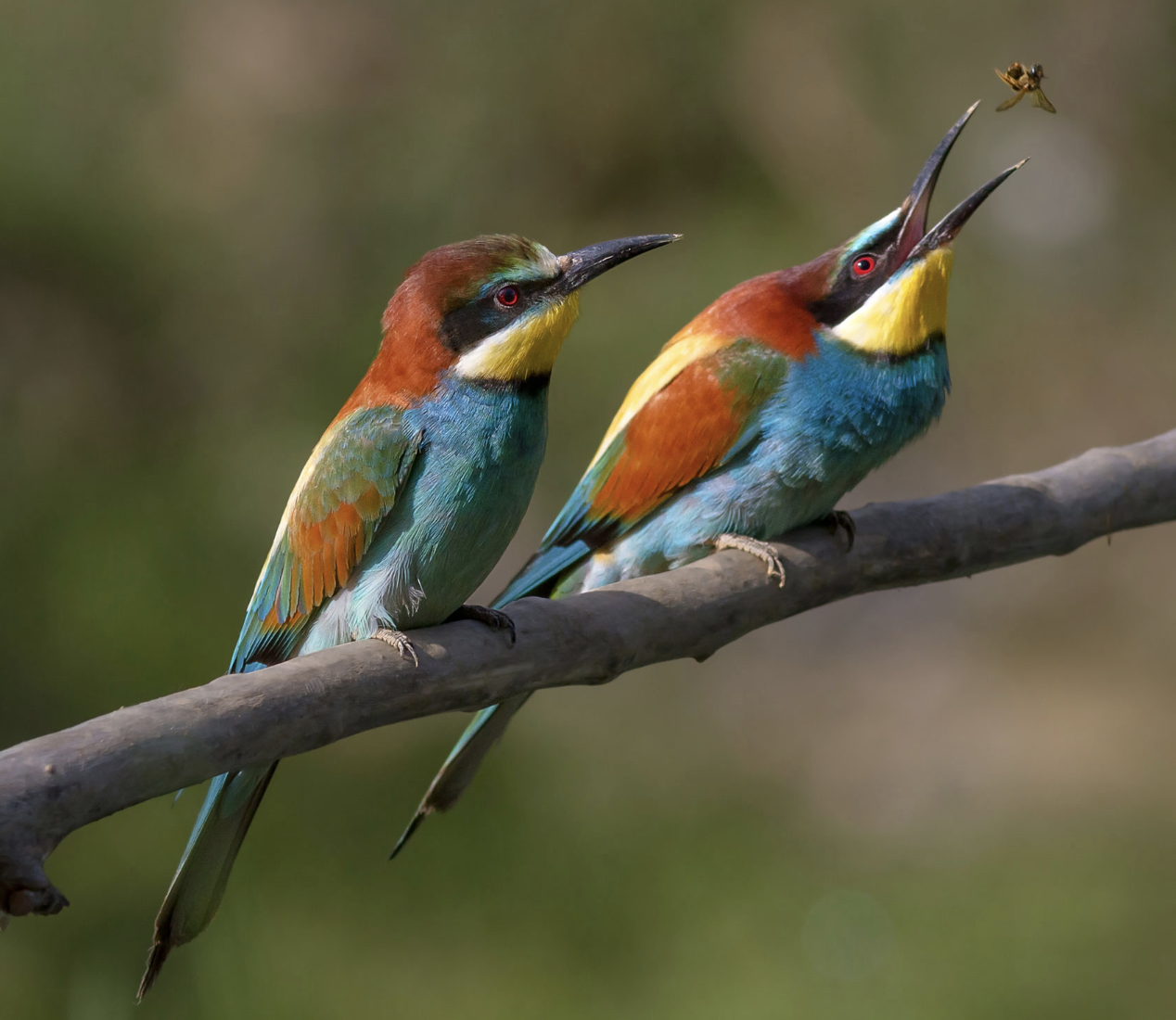
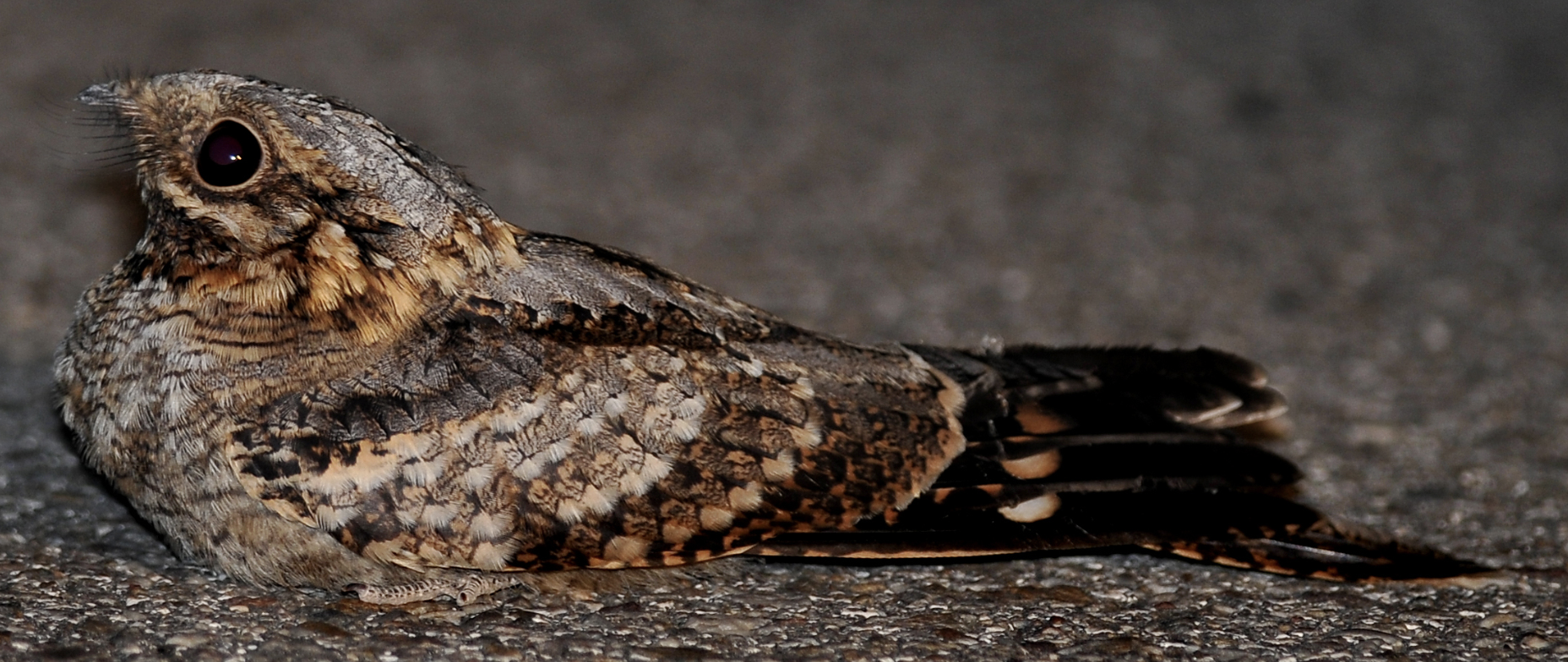
When we were away at Doñana last month I was asked by my students what my favourite bird was and I found it hard to answer because there are two that are vying for that particular position. One of these is the European Bee-eater and the other is the Red-necked Nightjar and at this time of year they both turn up on our doorstep.
Both of these birds thrive on a diet of insects, the Bee-eater feeding largely on bees and wasps which are disarmed of their stings before being swallowed, while the Nightjar feasts on moths that it plucks from the air during silent flights.
These birds are in many ways remarkably similar and in others remarkably dissimilar. Both arrive around this time of the year, the Nightjar having come from North Africa, particularly from the Sahel region of West Africa just south of the Sahara while the Bee-eater has also come from sub-Saharan Africa and particularly areas like Senegal, Mali and the Congo Basin where they spend the winter.
At the moment the Bee-eaters are everywhere in the Andalucian campo but their numbers will dwindle soon as many continue further north but we may see them in greater numbers in August or September as they make their way back to Africa. Seeing these things in flight is like taking a sip from a gin and tonic on a summer evening. They make a case for life being deeply worth living even when the events of the world seem calamitous. I won´t even try to tell you how pretty they are. They fly like jet aircraft and carve up the skies with the same joyful energy that dolphins seem to possess as they slice through the ocean. I have often been on boats when we have come across dolphins and cannot look at them without smiling. It is that way with the Bee-eaters too.
It is when you look at the outward appearance of the Bee-eaters and the Nightjars that the dissimilarities are most evident. The Bee-eater is active throughout the day will steal your attention like a catwalk model while the Nightjar remains quietly concealed throughout the day, emerging to feed only at dusk. You are unlikely to see it unless you happen to be out at dawn or dusk or during those moonlit nights when they can hunt moths throughout the night. As a rule, if the moths are active the birds will be too and they will adapt their feeding routines to hunt when hunting is most profitable. In flight they have the profile of a hawk and are as soundless in their movements as owls.
I have yet to see a Nightjar this year although I have heard them many times and their call cannot be confused with the sound of any other bird. There are better people than me at describing the sounds of birds and the flavours of wines and you can consult them if you need to but the sound of this Nightjar is unmistakable and unique.
Despite their shy natures, the Nightjars seem very easy to approach. Their mottled colour and general profile allow them to vanish into their surroundings and, lying still, they are just about impossible to spot. These are ground-nesting birds so wearing an invisibility cloak, like Harry Potter managed to do, get his hands on, can pay dividends when brooding or even laying low during the day when the moths are not on yet on the wing. They often crouch on the winding dusty camino paths that I walk with the dogs and we will almost stumble on top of the bird before it flies away, often only to land ten or twenty metres further away. I guess that they forget that the cloak that protects them no longer works against the pale surface of the roads.
It is daytime now. Outside I can hear the Bee-eaters. Maybe this evening when the light is fading I might take the dogs out to see if we can see our first Nightjar of the year.

 fishydreams
I love it !
Cheers Pipster!