
A little over a week ago, I spent a few days in Ireland with my brother and my mum. In the mornings, before the others surfaced, I would head out for an hour or two and watch the day breathe life into the fields beside the quiet country road to Portlaw.
On one of these rambles, I noticed several pheasant tail feathers in the hedgerow and, figuring they would be useful for tying a few trout flies, I popped them into my rucksack and took them home. Curiously, there was no sign of the bird itself, but enough feathers to suggest it had come to a sticky end—perhaps taken by a predator or losing an encounter with a car.
Back home in Andalucía and confined indoors by steady rain, I wandered up to my man cave to see if I could whip up a few nymphs and dry flies with my windfall feathers. There are, fortunately, many fly patterns that make use of pheasant tail, and my friend Paul Reddish kindly gave me a copy of the definitive book on the subject, Pheasant Tail Simplicity, by Mauro Mazzo, Craig Mathews and Yvon Chouinard. If there is anything you want to know about using this material, that is the place to go.
Here in Spain, pheasants do occur—particularly in the north—but they are not especially abundant. As in Ireland, they are not native and rely largely on released birds to supplement scattered and often quite localised populations. Spaniards are not primarily pheasant hunters, and the game bird most often pursued is the red-legged partridge (also a fine source of fly-tying feathers).
It is perhaps in the UK that the pheasant carries the greatest cultural weight, with a long tradition of shooting among the landed gentry and nobility. As someone unlikely ever to receive such an invitation, I can’t help but smile at the image—tweed, shotguns, and, wandering around a little unsteadily after downing one or two Pimms too many —while others are sent ahead to flush the birds.
No Pimms for me. Instead, there is the prospect of the finest drink in the world: the pint enjoyed after a day on a trout stream.
Perhaps I’ll get to celebrate the capture—and release—of a few trout, deceived by a little pheasant-tail subterfuge.
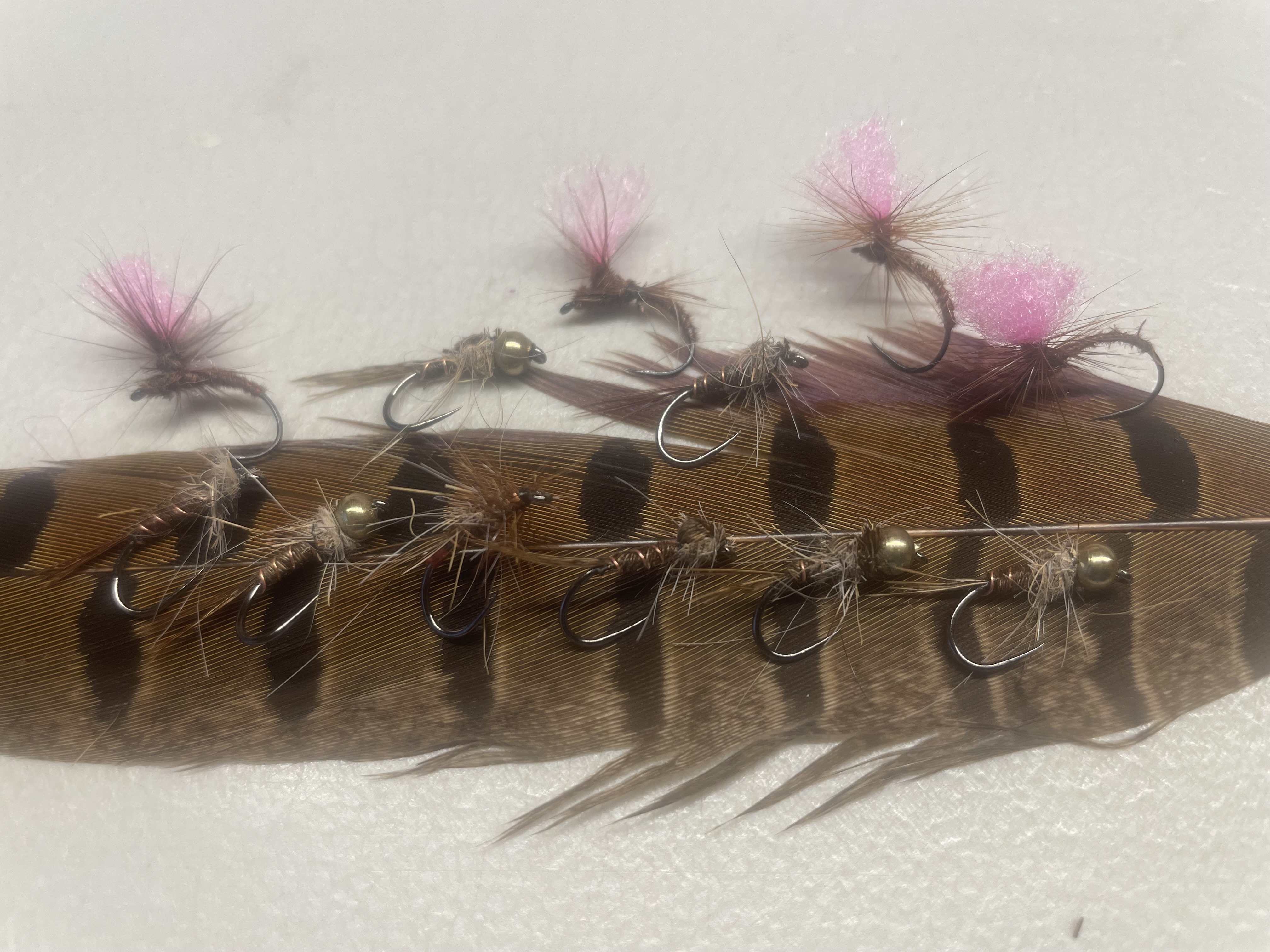
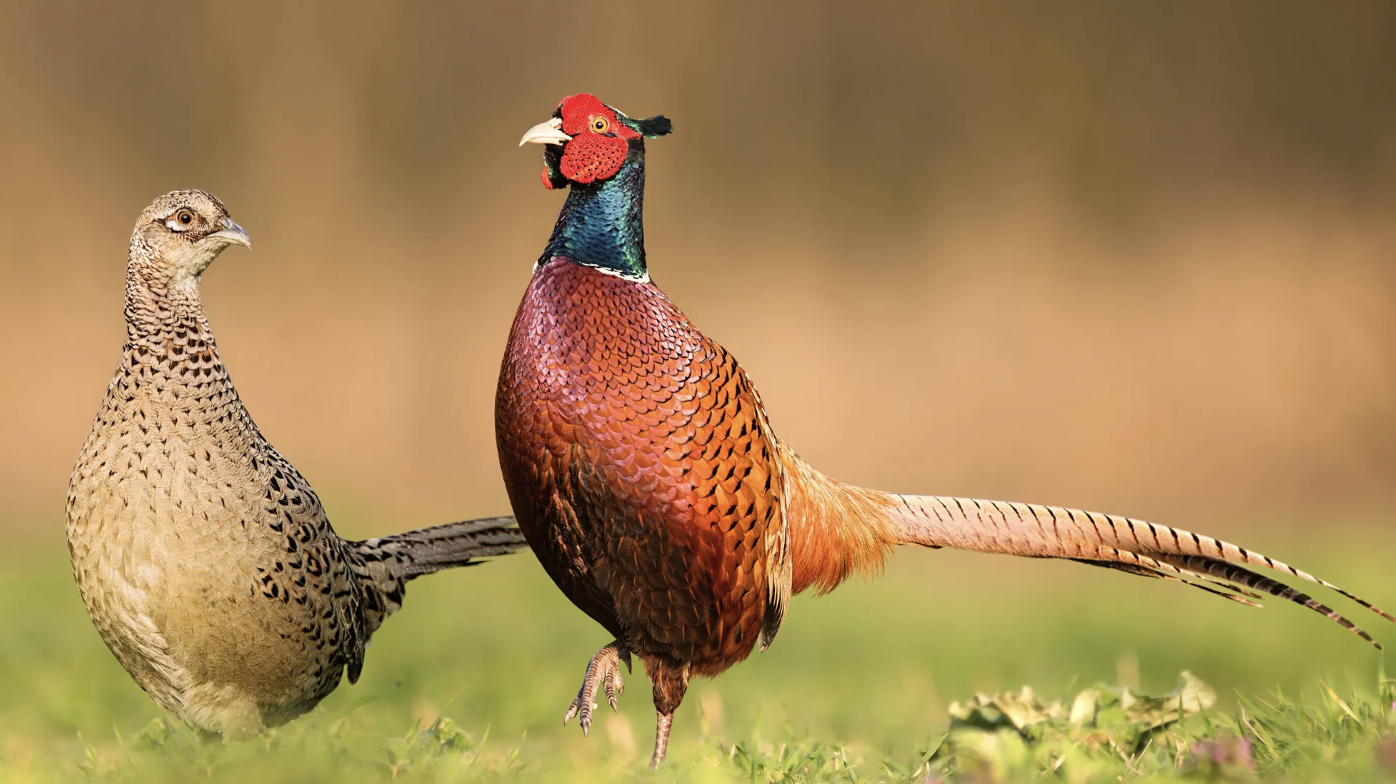
Interestingly, the feathers most used in fly tying are those of the cock pheasant. They are narrower and darker. The hen´s tail feathers are paler, broader and more cryptically coloured to make her less conspicuous while nesting.

 fishydreams