
I don’t know which one of us is more stupid — me or our dog, Sable. The two of us have taken to wandering the local tracks of the campo and trekking across open fields in the moonlight, when anybody with half a brain would be tucked up in bed.
In our defence, we should point out that we have to head out very early so that Sab can get a walk in and leave me with time for my daily commute to college.
We’ve taken an interest in owls recently — or at least I have. Sab, a black Labrador, can vanish easily enough during our nighttime meanderings, and I have little idea where she is — much less what she’s thinking about.
A week ago today, on a Monday, at around 05:40, we heard an unfamiliar bird call. Some of the local dogs were barking, and the calls of the bird seemed not only to have a similar frequency to the barking, but to happen in bursts at around the same moment. It seemed almost as if the bird calls were interwoven with the barks.
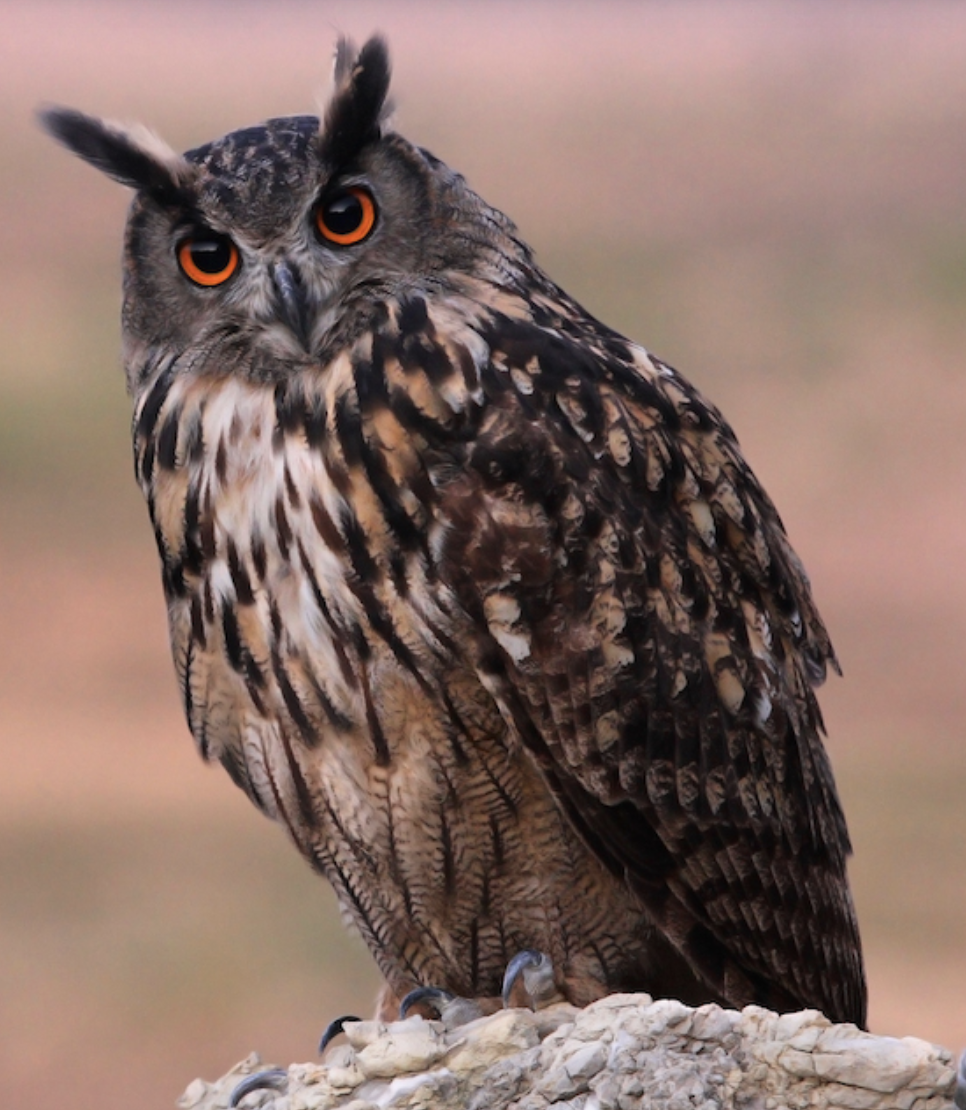
Maybe those barking dogs felt they were on to something special — because the calls they were hearing were those of an eagle owl.
I struggle to describe the sounds of birds as much as I do the flavours of wine. There are others who do this kind of thing much better, and following their guidance, I would suggest the call could be described as a low, resonant “oohu-oohu” — almost like a distant foghorn or a muffled drumbeat.
Eagle owls are stunning, and they can be huge. You wouldn’t be too surprised to come across them in a different kind of terrain — such as rugged cliffs, gorges, or quiet pine forests — but now it seems eagle owls are increasingly being spotted in more human-modified landscapes in parts of Spain, like our own little part of Andalucía.
Despite their large size (they are one of the largest owls), they are elusive — and more often heard than seen.
We heard the eagle owl very close to home, barely having started our early morning foray, and it pleases me to think that we might even have heard it from our own house.
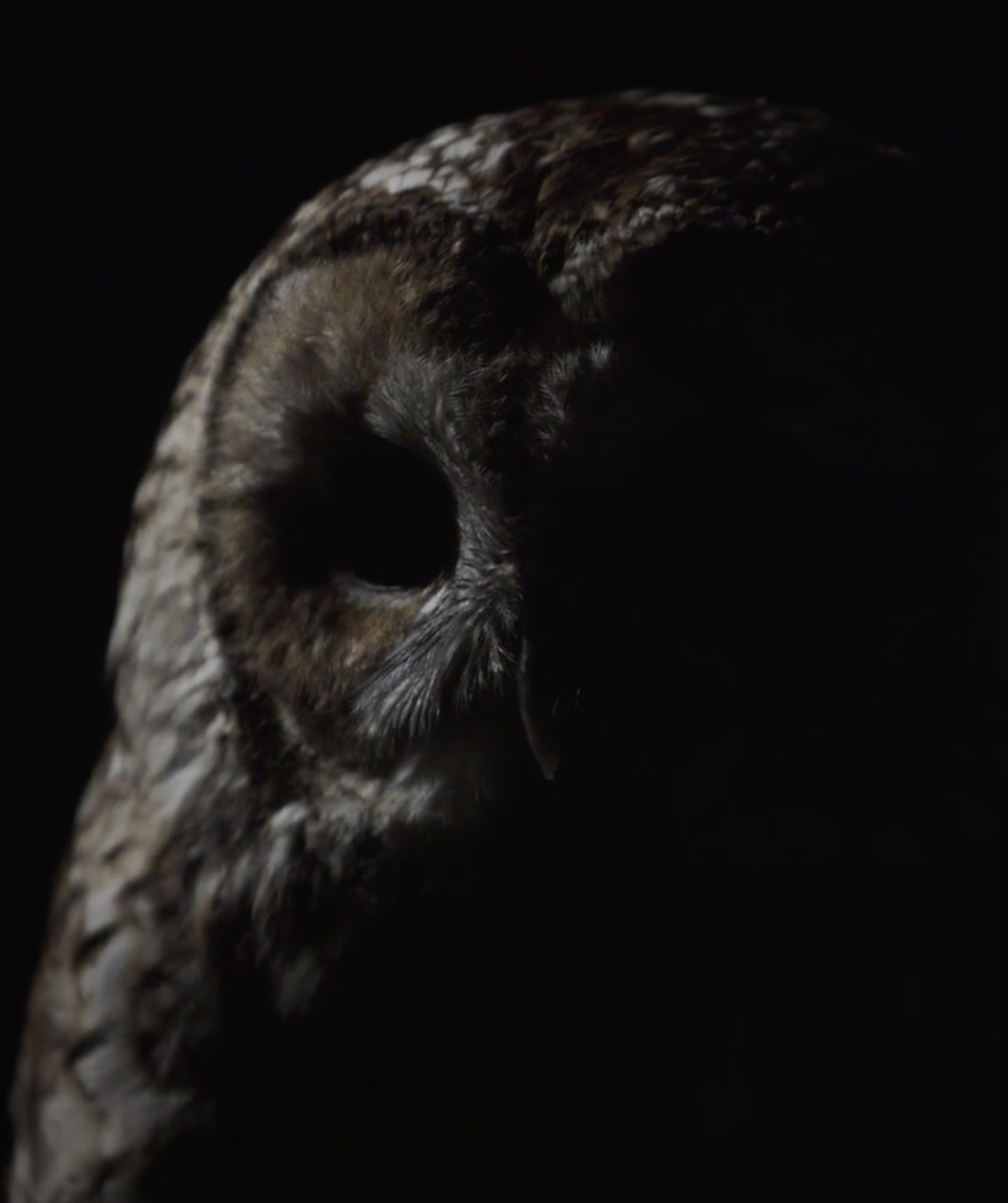
Some time later, the meandering campo trail led us to the very outskirts of the town currently undergoing a name change (Villafranco del Guadalhorce is now Villa del Guadalhorce), and here we were greeted loudly by a tawny owl.
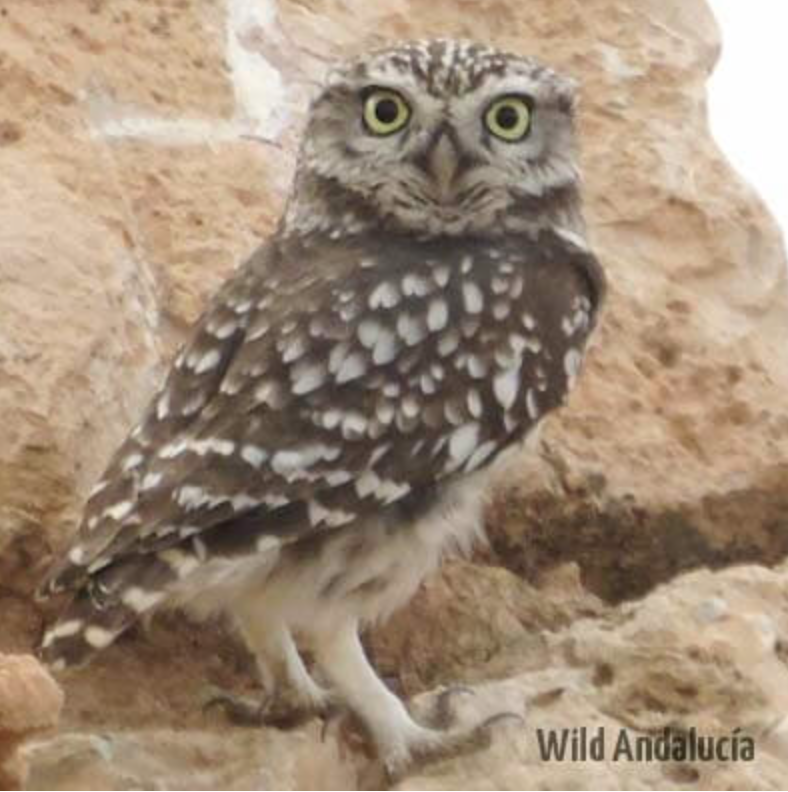
Curiously, our nocturnal wanderings didn’t include the sound of the little owls, which are very common in the campo here — and always the most likely owl you might cross paths with.
The call of the little owl, as it turned out, would have to wait until Tuesday.

 fishydreams